Inclusive Agricultural Growth

This website has been archived and is no longer maintained.

This website has been archived and is no longer maintained. Older content or site functionality may not be accessible or functional in newer browsers. If you require accessible documents, please contact the Department of Plant Sciences for further information.

Growth in the agriculture sector has been shown in some areas to be more effective than growth in other sectors at lifting people out of poverty — increasing food availability, generating income from production, creating employment and entrepreneurship opportunities throughout value chains, and spurring growth in rural and urban economies. Fruit and vegetable production and markets have a big impact, as these crops generate high economic returns per unit of land. Farmers who grow high-value horticulture crops consistently earn more than those who grow other commodities, allowing smallholder farmers to derive additional income and driving agricultural and economic diversification. Innovation in horticulture crops, including postharvest entrepreneurial opportunities, offer increased production, value-added income, and long-term investment opportunities.

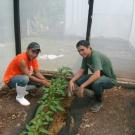
Developing a postharvest alternative to fungicide in Sri Lanka

Led by Robert Paull,

This project brings together two parallel research programs for collaboration — one in Sri Lanka using natural coating and herbal extracts and another in Hawaii to use natural epiphytic microo

Sri Lanka

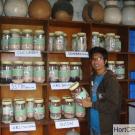
Developing a concentrated solar dryer in Tanzania

Led by Diane Barrett,

Women carry out most production of horticultural crops in Tanzania and other developing countries. Harvest periods are short but less than 1% of the crop is processed for off-season consumption.

Tanzania

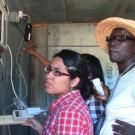
Improving marketing capacity for specialty crops in Ghana

Led by James Simon,

This project expands economic opportunities for small-scale farmers in Ghana by enhancing their productivity and deepening market access and participation.

Ghana