Blog

This website has been archived and is no longer maintained.

This website has been archived and is no longer maintained. Older content or site functionality may not be accessible or functional in newer browsers. If you require accessible documents, please contact the Department of Plant Sciences for further information.

6 lessons from postharvest loss assessments in Rwanda

Posted on
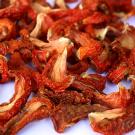
Gurbinder Gill highlights findings from a study of postharvest losses across four value chains in Rwanda, including tomatoes, peppers, bananas and sweet potatoes -- and what the findings mean for the horticulture sector.

7 ways that gender matters in western Honduras

Posted on
Gender norms define the roles and responsibilities of women and men at the individual, household, community and societal level. Here are seven ways gender norms influence and pervade key aspects of food security.

5 lessons for expanding drip irrigation among smallholder farmers

Posted on
Meagan Terry writes about lessons learned from the MasRiego project in Guatemala, focused on drip irrigation and climate resilience. Though its name means “more irrigation” in Spanish, this project does more than just install drip irrigation systems.

5 ways Trellis Fund grants generate impact

Posted on
As student manager of the Trellis Fund, Elyssa Lewis writes experiences and impacts from this program that matches graduate students to organizations in developing countries for short-term horticulture projects.

Building trust in food systems – here and in Cambodia

Posted on
What is the role of trust in our food system? It can be easy to forget that trust is a critical first step in many agricultural relationships. Establishing trust between actors in a food system has been critical for a project in Cambodia focused on increasing availability of safe vegetables for Cambodian consumers.

New call for Trellis Fund grant proposals

Posted on
The Horticulture Innovation Lab invites organizations in developing countries to compete for new Trellis Fund grants up to $4,000 each for 6-month projects, to extend horticultural information to local farmers and stakeholders along fruit or vegetable value chains.